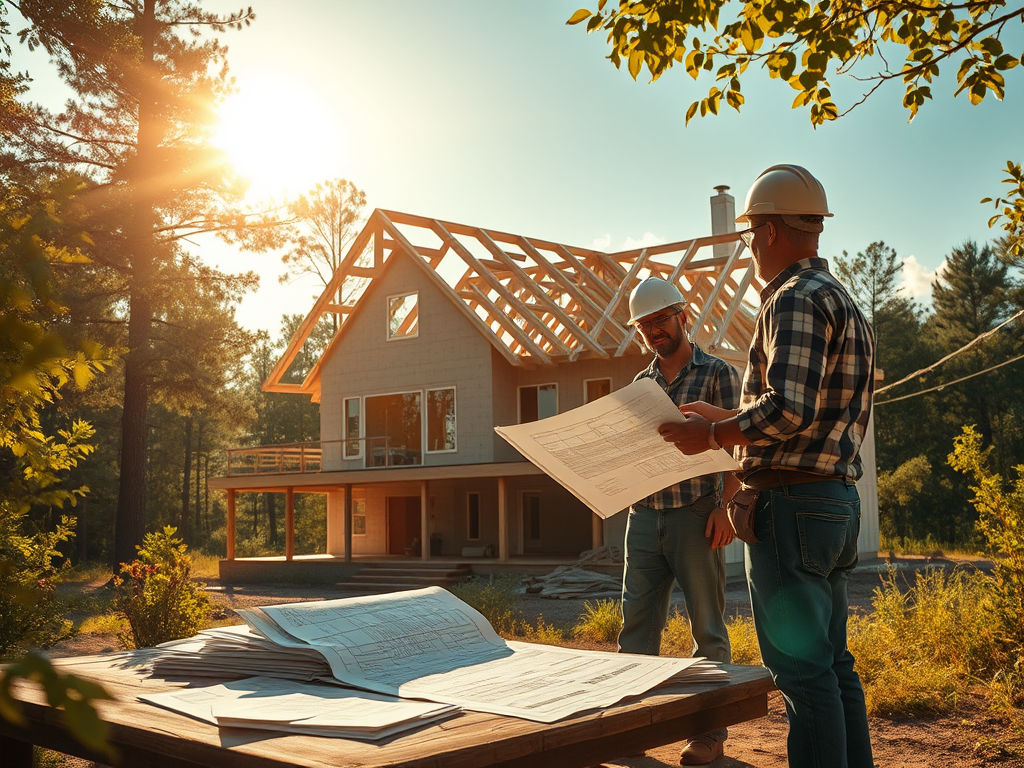
Getting building permits can be as simple—or as complicated—as your property location makes it. If you’re within city limits, you’ll almost always need permits and multiple inspections along the way. Inspections for framing, plumbing, electrical work, and even drywall are standard, and each city has its own checklist.
We built outside city limits, by design, and it turned out to be aa blessing. Fewer permits, fewer hoops to jump through, and far less oversight meant we could focus more on the home itself.
County Requirements
Even outside city limits, you’ll still need to work with the county. In our case, the main requirement was a septic permit. This sounds straightforward, but be prepared—counties can have their preferred systems, often requiring ongoing inspections. Whether it’s about performance or revenue, who knows? The key is to understand your county’s rules early so you can plan around them.
The process can vary to some degree among cities and counties. Overall there is a rhythm, a method to the madness. You will need to have patience, knowledge and tact to work with the different agencies that may touch your project. I’ve worked with different cities over the years and appreciate the value of good relations and prompt responses to the different agencies we will work with. Overall, with the right team in place, this is a manageable process. The key thing to plan for is the waiting involved.
Choosing the Right Builder
Most builders cover a wide region—ours were comfortable taking projects within a 100-mile radius, as long as their crews could drive home each night. Finding the right builder takes time and due diligence.
This is likely your first project with them, and there’s always a learning curve in communication and expectations. Quality can vary—not necessarily because of laziness, but because each trade has its own “normal” standards. It helps to visit past projects, talk to referrals, and ask a lot of questions.
- Ask about schedule and payment terms.
- Learn how they handle changes during construction.
- Most importantly, make sure you and your spouse are united on big decisions—don’t put the builder in the middle of a disagreement.
Furnishing with Character
One of the joys of finishing a build is furnishing your home. We loved estate sales in the area—especially finding old tools built to last, or decorative pieces with a local story. There’s something special about filling your home with items that have history, that reflect the community you’re now part of.
This process is also a chance to meet neighbors. I can’t tell you how many great conversations started at a local auction or estate sale. It’s a way to build relationships while building a home that truly feels your own.
Conclusion
Building your home doesn’t have to be a stressful, chaotic process. Yes, there are challenges and decisions to make, but when you have the right team and a clear vision, the experience can be deeply rewarding.
Each stage of the journey—picking materials, walking through rooms still framed in raw wood, hunting for that perfect piece of furniture—becomes part of the story of your home. Years from now, you’ll look back and remember these early days with gratitude, knowing you built something with care, intention, and faith.
The homestead you’re building is more than a house—it’s the foundation for your family’s future. Let’s build it right, from the ground up.
You’re not just building a house. You’re shaping a legacy. Let’s talk about your forever homestead.
My goal at Alt-Ark is to Make Homes For Homesteading for your children’s future.
 Alt-Ark